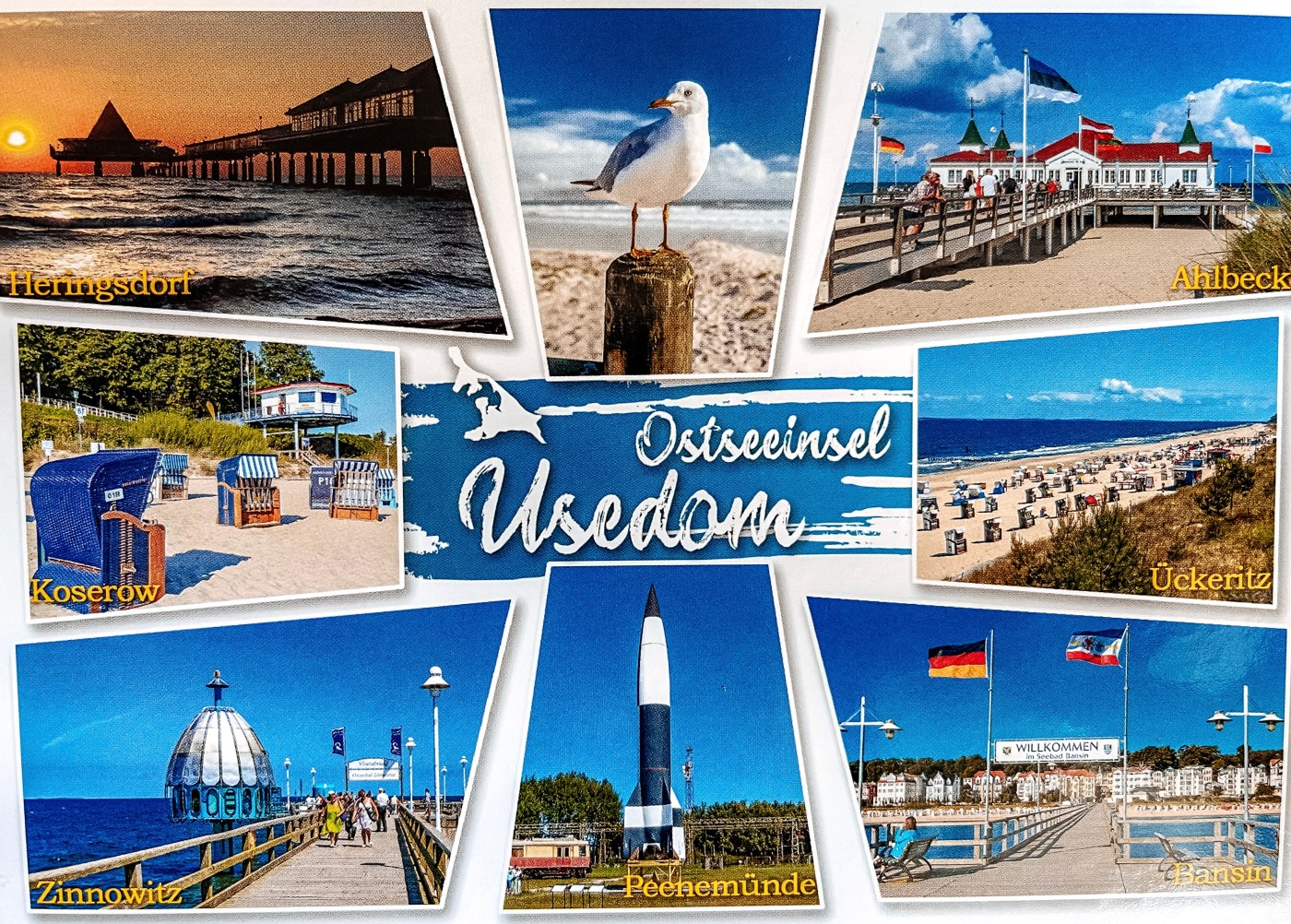
Germans love to spend time outside in the summer. While many Germans enjoy traveling abroad during Sommerzeit like Spain, Portugal, Italy, Greece or Turkey, others choose to explore their own country. After all Germany has it all – from beaches in the north to picturesque mountains in the south!
Today, I want to take you to one of my favorite places in Germany – Insel Usedom. Koserow in particular. Situated within the Baltic Sea or Ostsee, Insel Usedom is an island, which is bordered by both Germany and Poland. It is the second largest island after Rügen and the most populated island within the Baltic Sea. Germans call it “Sonneninsel,” which literally translates into sun island. With almost two thousand hours of sunshine annually, it is a well-deserved title and as a result draws hundreds and hundreds of Germans and tourists from Europe to its beaches year after year.

Usedom is one of Germany’s major holiday and recreation area due to its beaches, its natural environment, promenades and seaside villages such as Ahlbeck, Heringsdorf and Bansin.
The island has been a tourist destination since the Gründerzeit in the 19th century, and features resort style architecture or Bäderarchitektur, which consists of two to four story buildings where the facades are often decorated with balconies, gables and verandas. Arched or rectangular windows also predominate and are occasionally flanked by half-columns or blind pilasters. The gables are most often triangular, but occasionally when you walk down the promenade you can also see curved gables or small towers, which close off the ends of the attics.
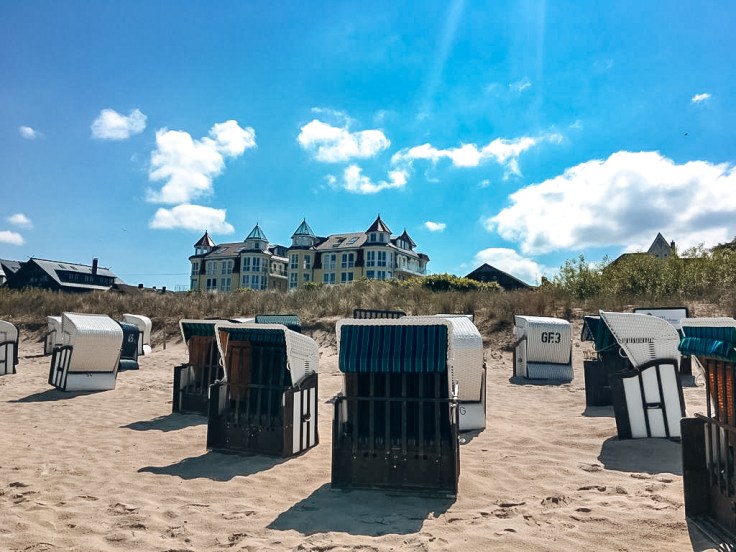

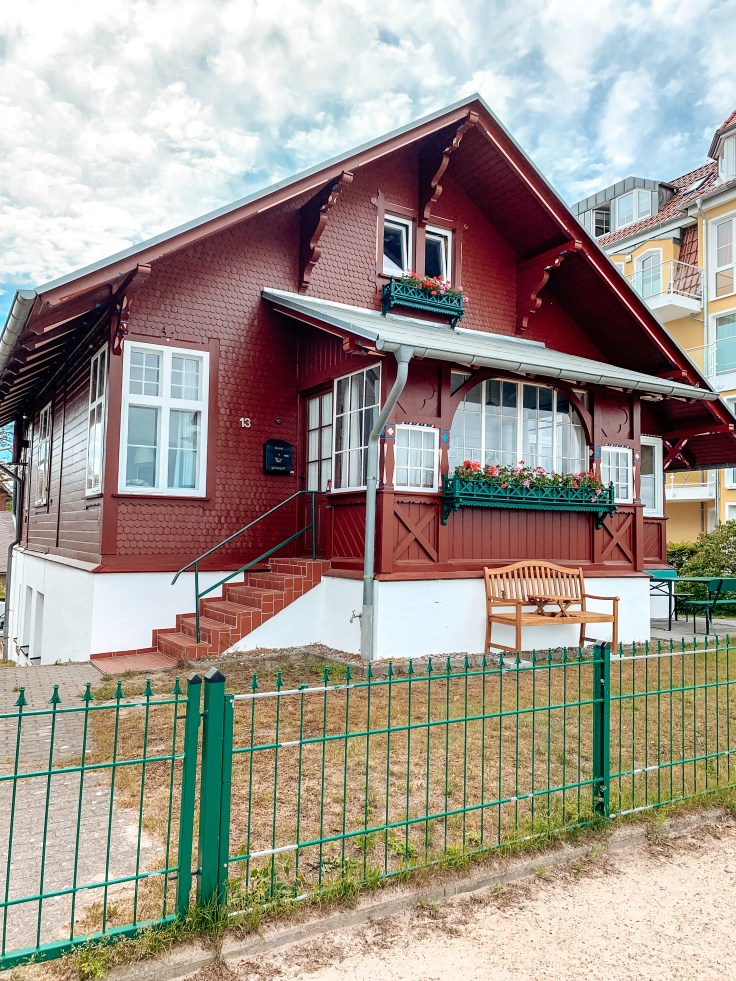
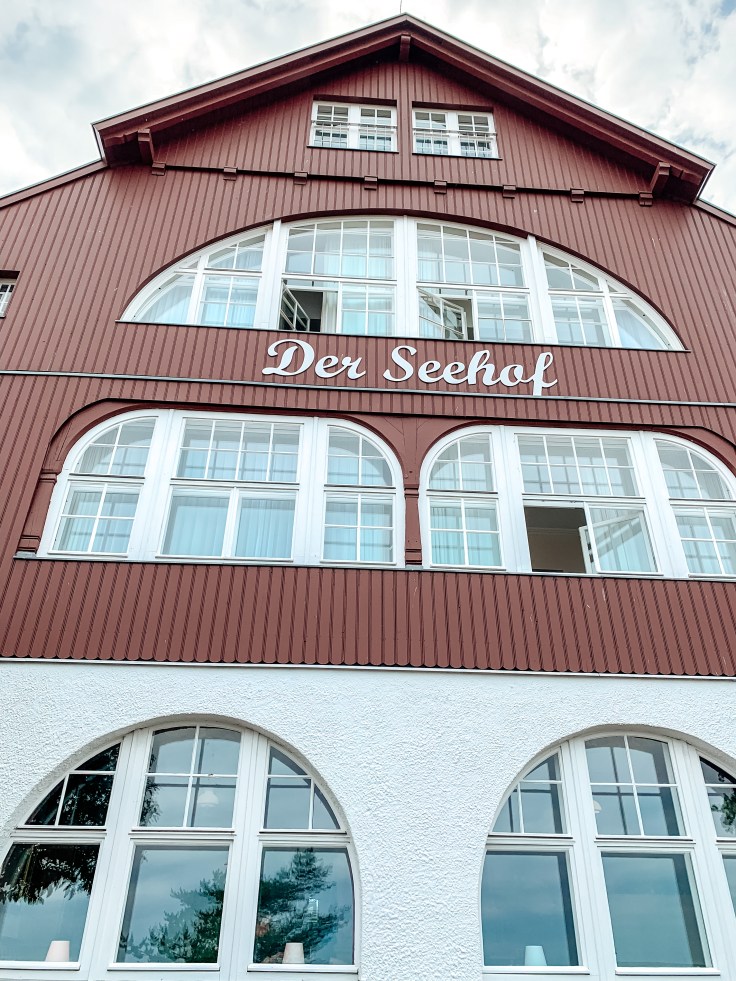


Single free-standing mansions featuring resort architecture are called Bädervilla, which translates into resort mansion or spa villa. Seaside resorts include Seebad Zinnowitz, Seebad Zempin, Seebad Koserow, Seebad Kölpinsee and Seebad Ückeritz. In the west, you also have Seeheilbad Bansin, Seeheilbad Heringsdorf and Seeheilbad Ahlbeck. A Seeheilbad is a sea healing spa.
Hotels and bed and breakfast are plentiful within these resort villages. Many of them are decorated in nautical themes, and seafood is the main staple on restaurant menus, along with traditional German dishes like Schnitzel, Brats and Königsberger Klopse. In addition to the coastline, someone can also discover nature reserves, castles, lakes and historic villages.
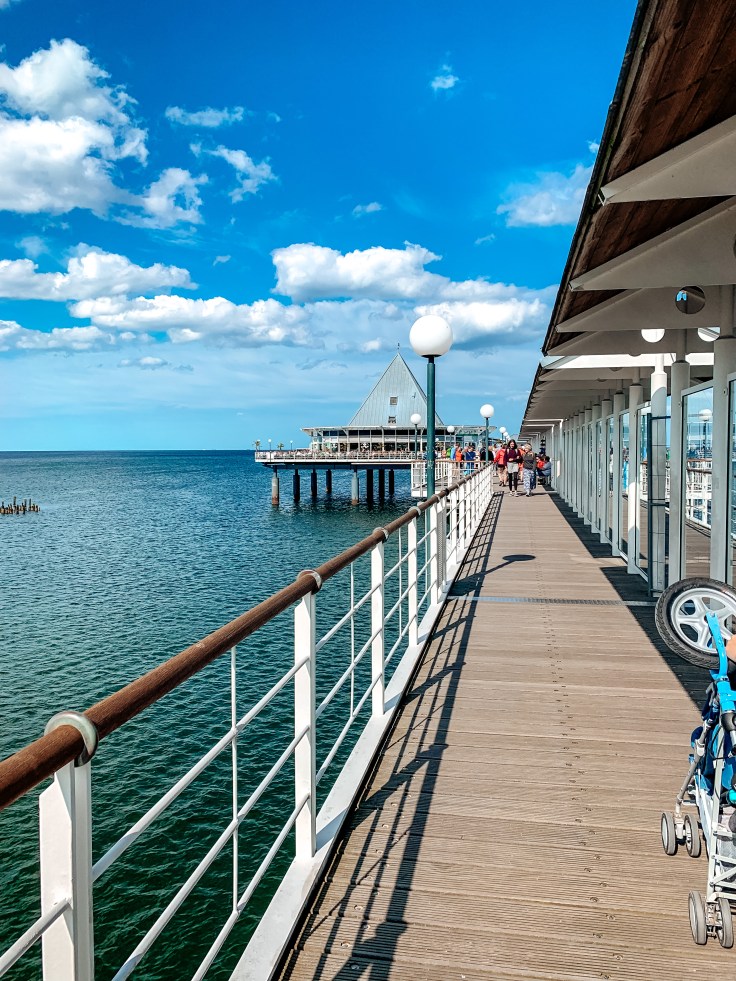


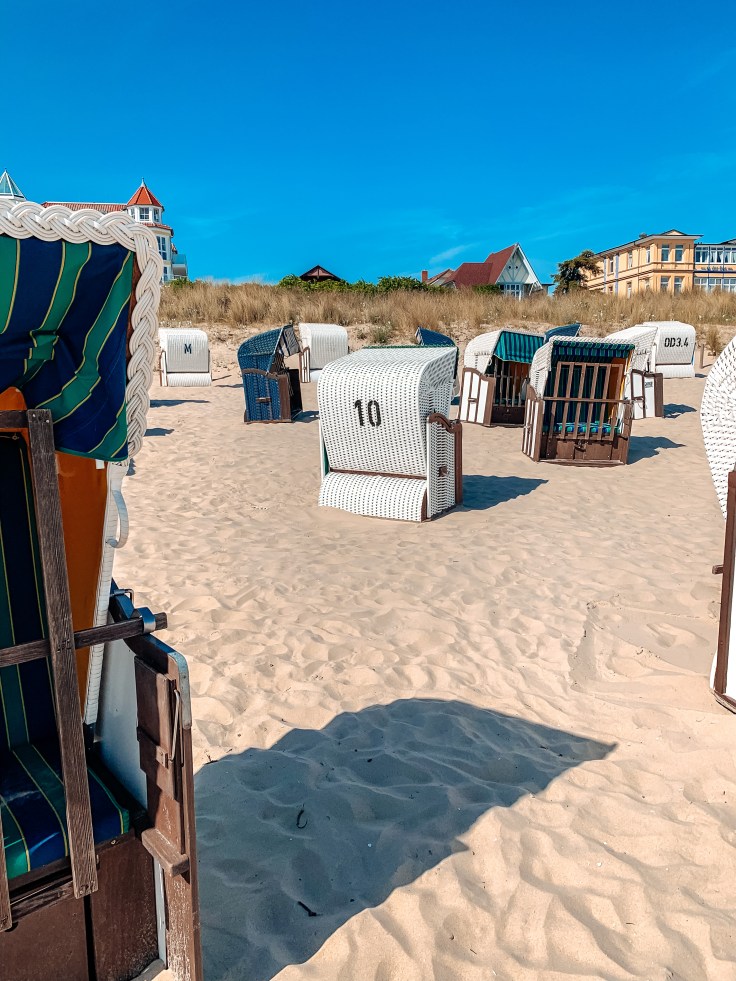
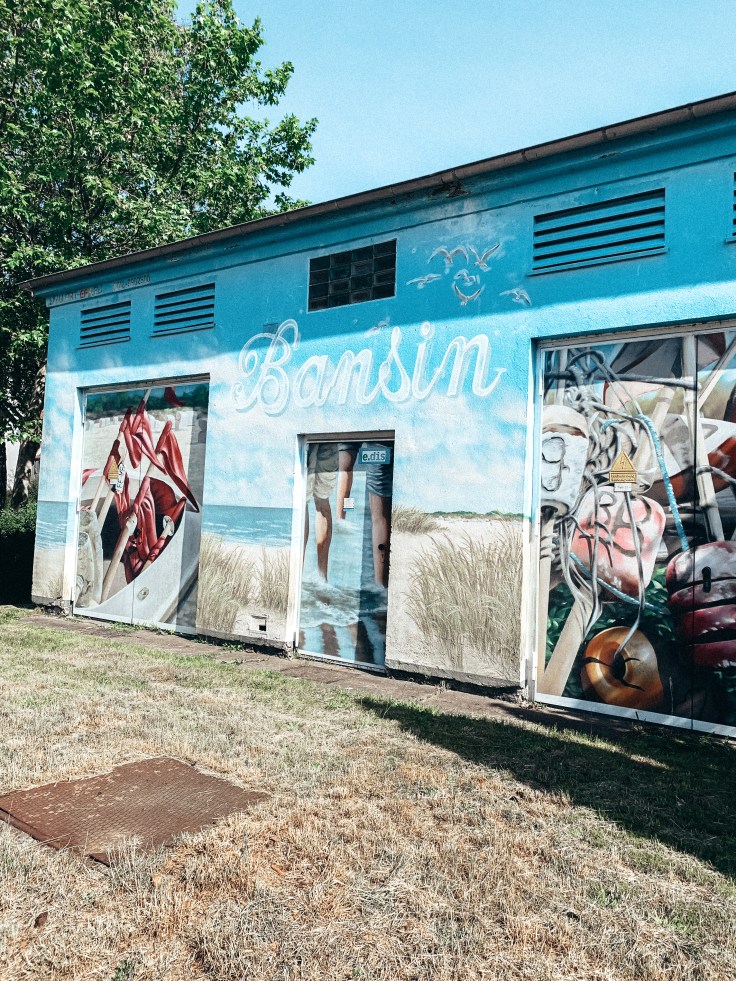
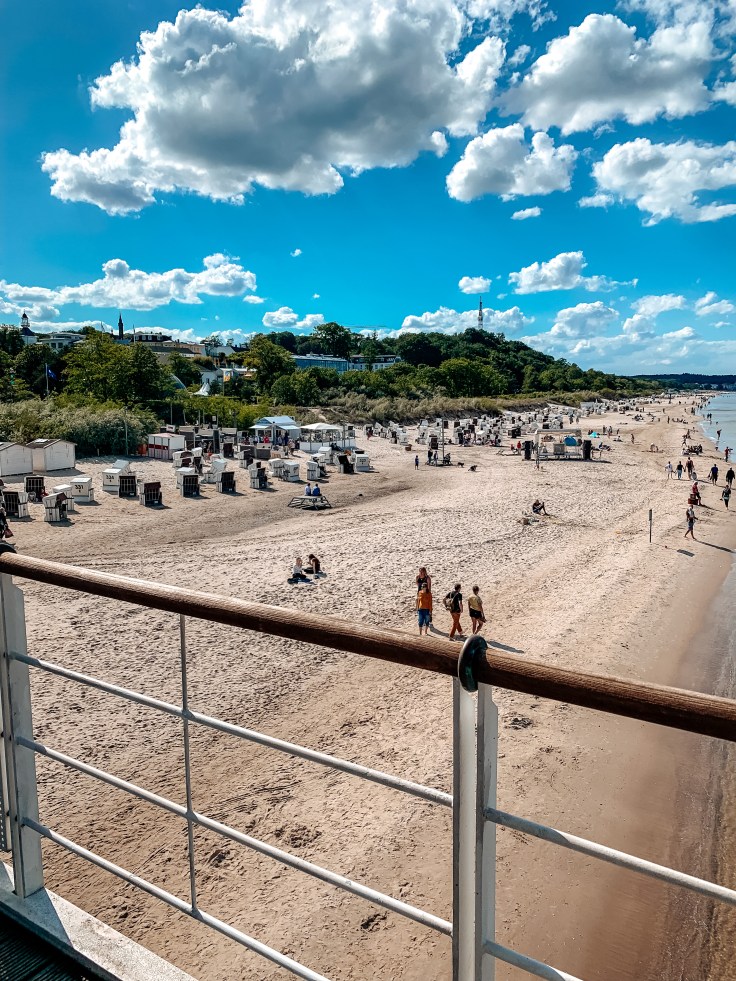
Which brings me to Koserow. Growing up, my family and I spent many summer days suntanning along the beach in Strandkörben, swimming, eating seafood and riding our rental bicycles up and down the coastline. Sometimes, we would even just go for the day. We would get up very early in the morning, drive the the almost three hours, spent the day at the beach, eat a Fischbrötchen before getting back into the car to head back home to Berlin. I know for a fact that those days have shaped by love and admiration for the coast and the ocean. Honestly, if I could grow old anywhere in the world, it would be in Koserow.
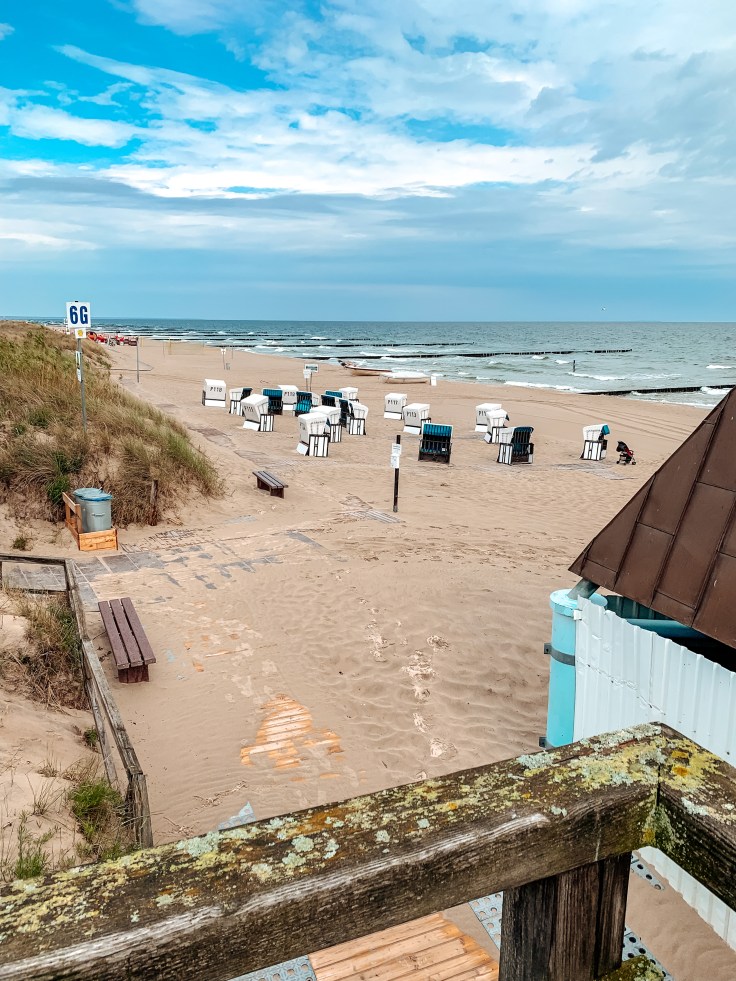
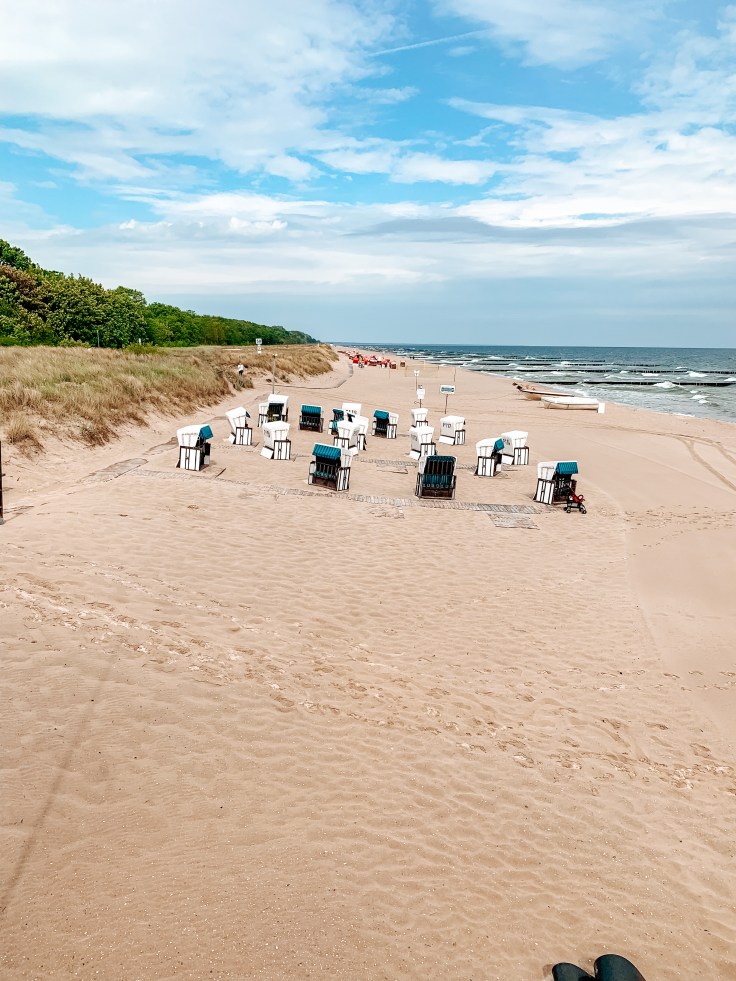
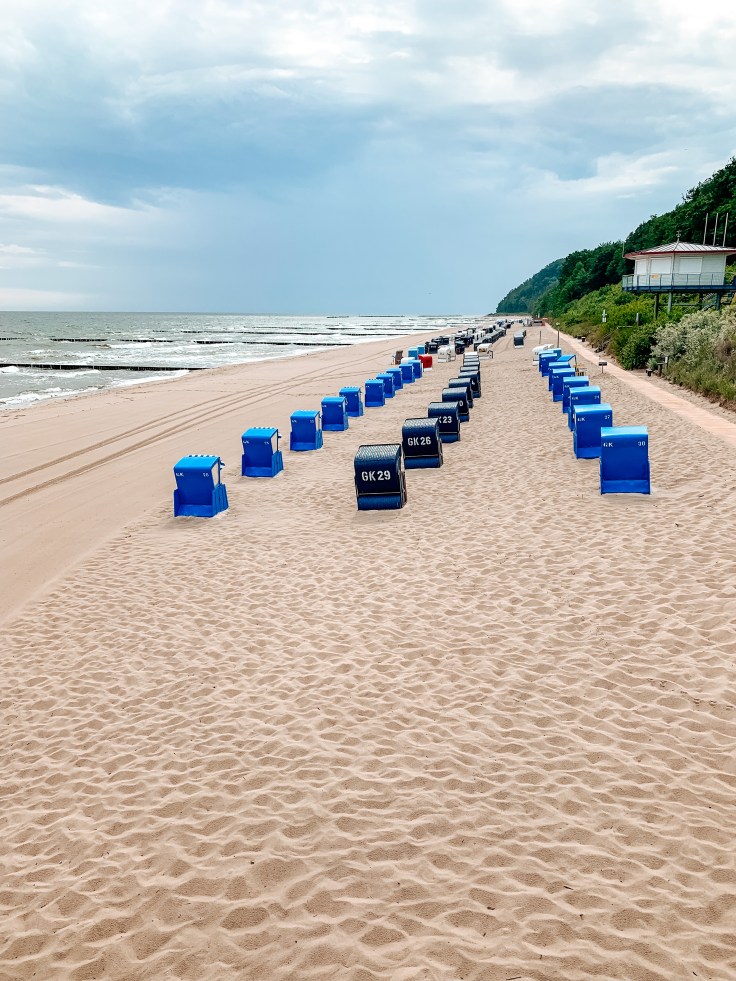
Along with Zempin, Loddin, and Ückeritz, Koserow is one of the four Bernsteinbäder or amber spa towns. All of them are located at the narrowest part of the island and together share a 12 km long fine sandy beach. In fact, the entire continuous beach area of Insel Usedom is 42 km, making it the longest sandy beach in all of Europe.



Steeped in history and legend that even includes pirates, there are many places of interest within Koserow, but one of the must-see destinations are the Koserower Salzhütten or salt huts. First built in 1820, the timber-framed huts were used as storage for rock salt as well as for salting and packing herring caught by local fishermen into large wooden barrels. The salted fish was a staple diet for the poor villagers during the winter months. In 1872 and 1874, they were destroyed in a storm surge, but most of them were rebuilt around 1900. Today, the remaining 15 huts are under monumental protection or Denkmalschutz. One of them is even a museum, which can be visited from May to September.


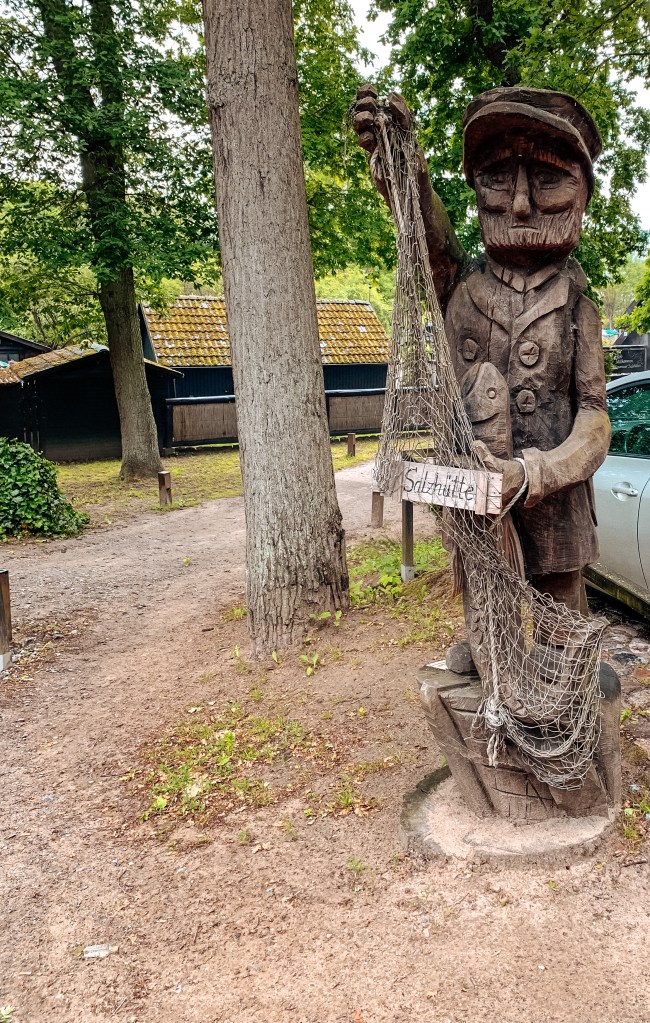
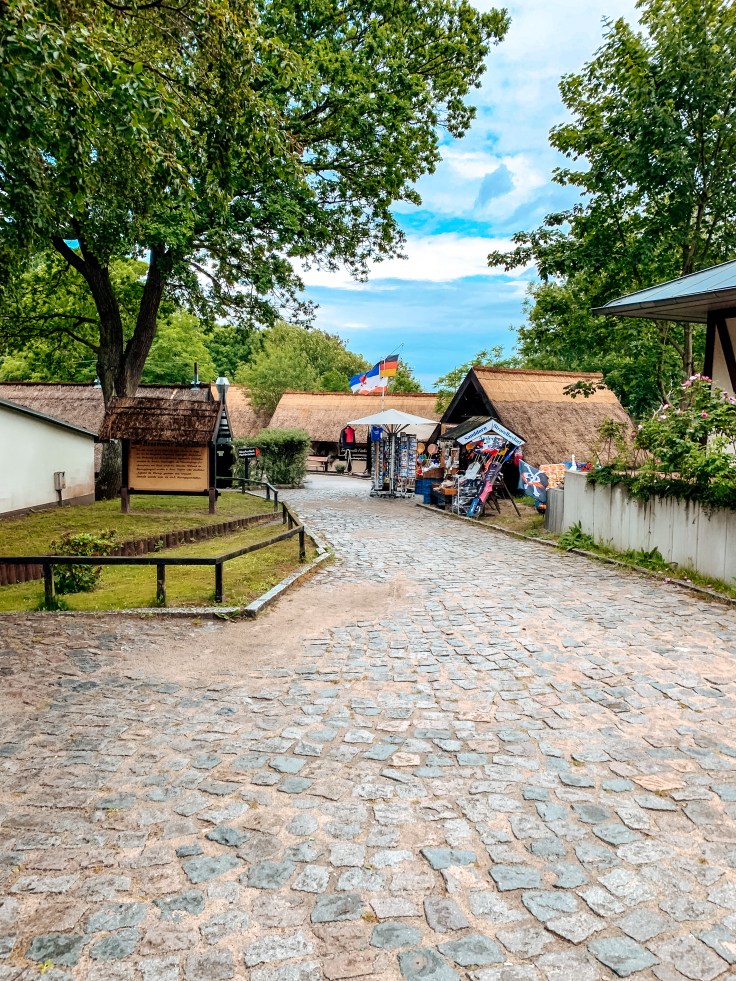
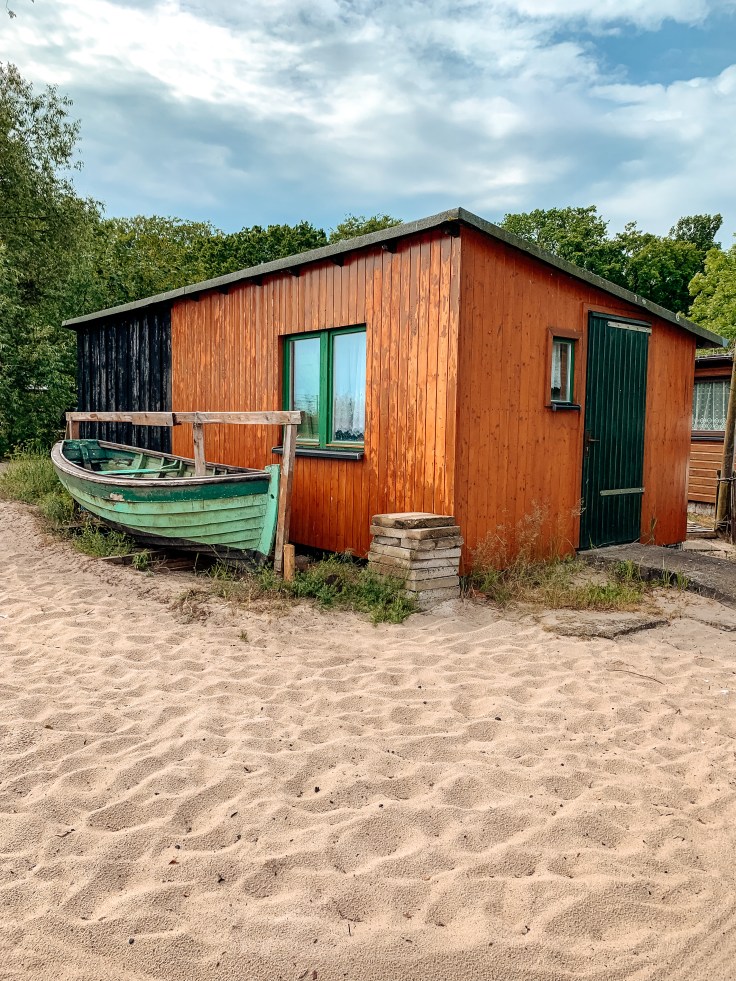
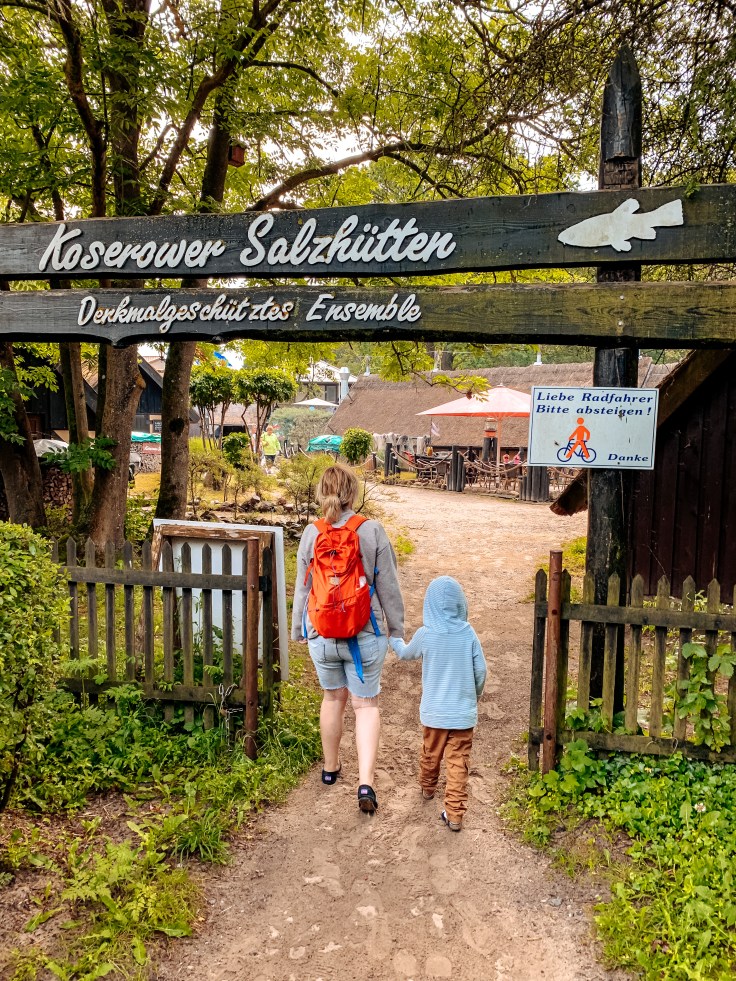

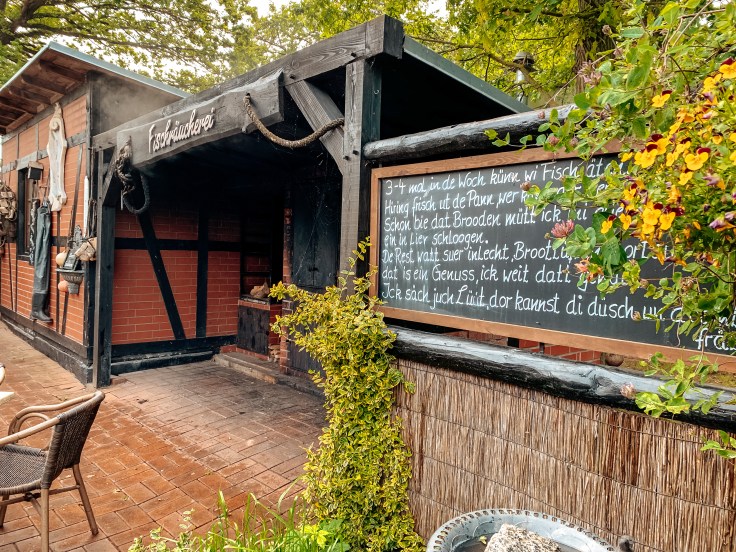
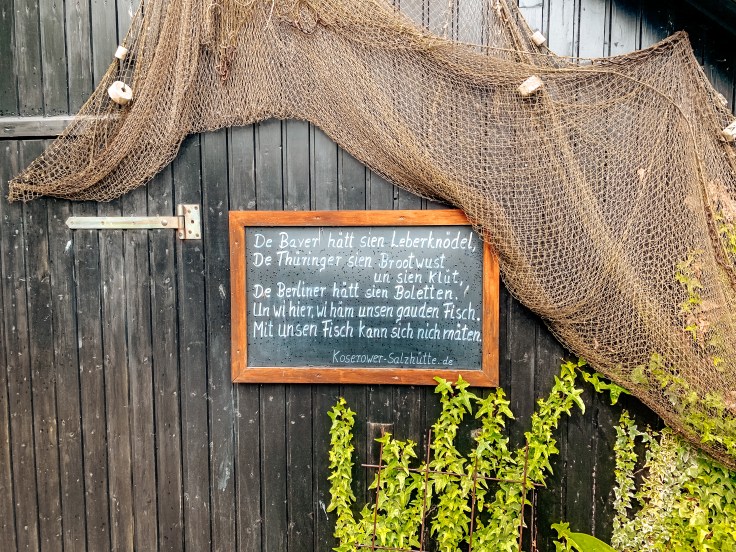

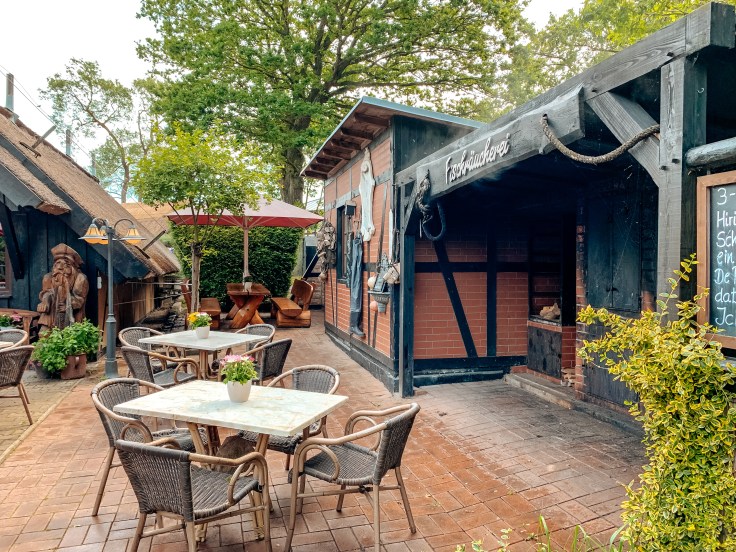
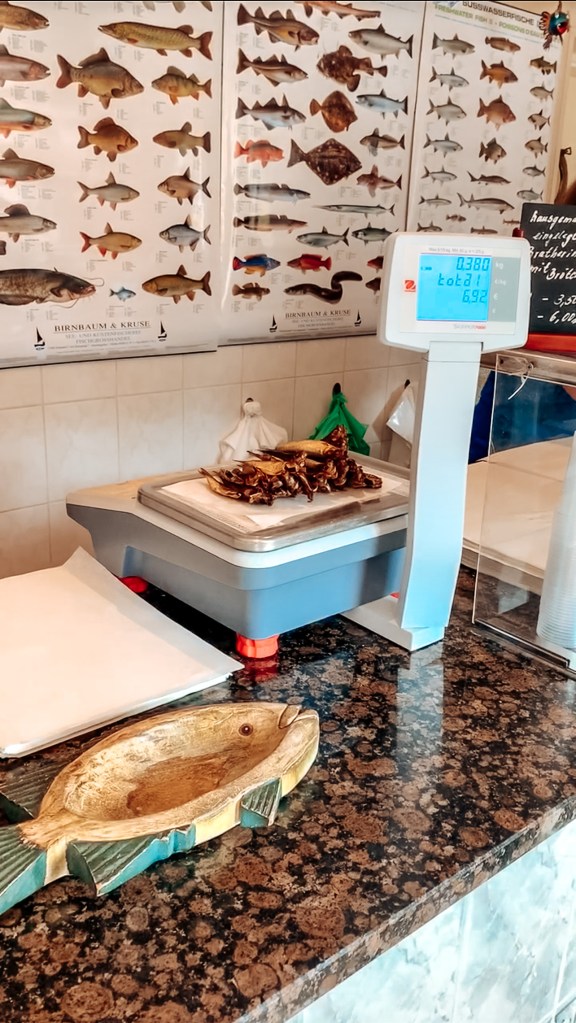
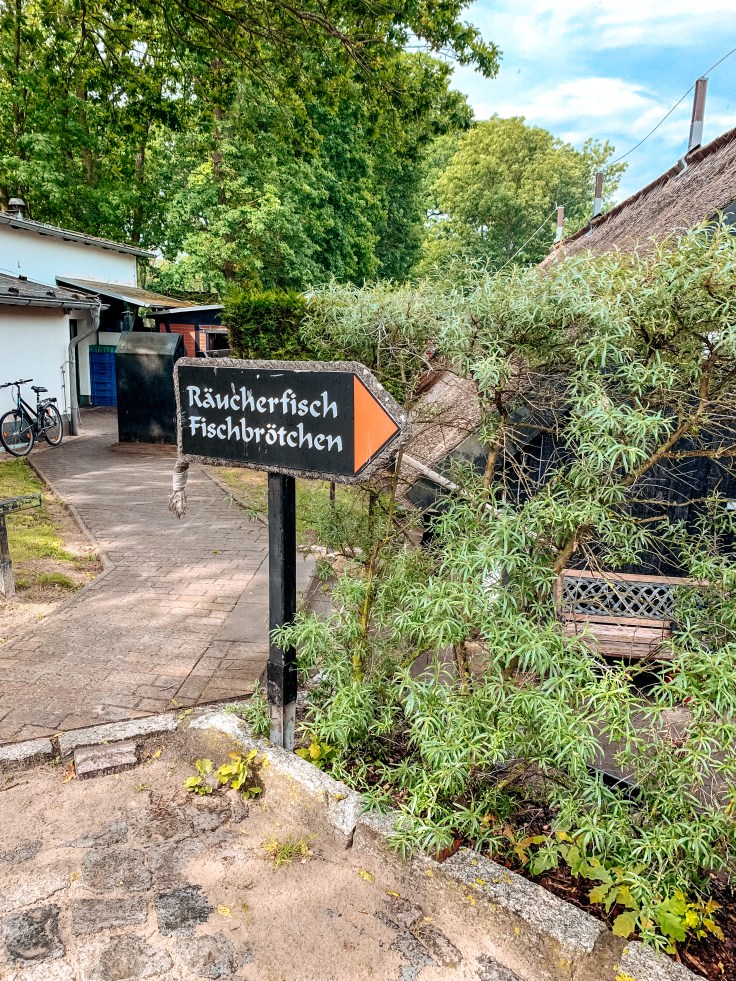
The thatched-roofed salt huts are by far one of my favorite places in Koserow, not only because of its history but because of the fact that to this day you can still smell and see how smoked fish is being made. The village is now home to tiny sandwich shops, fish markets, and cozy Gaststätten or taverns, where locally-caught fishes are served up having been smoked, pickled, soused or cooked on site.
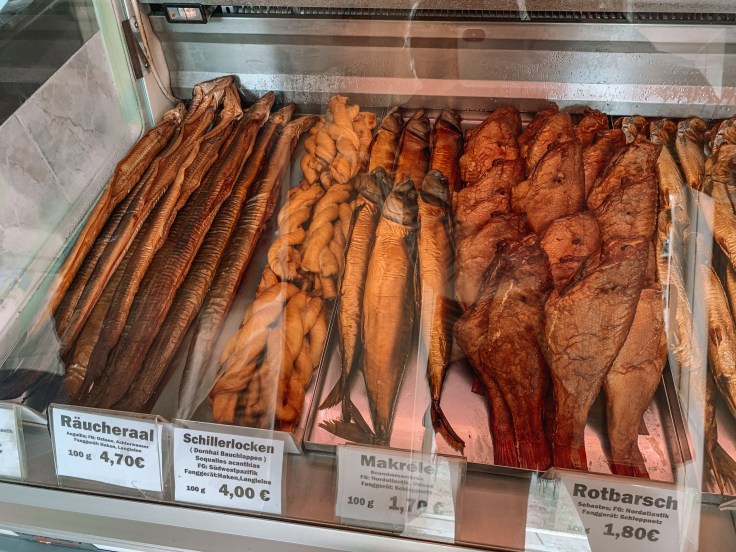


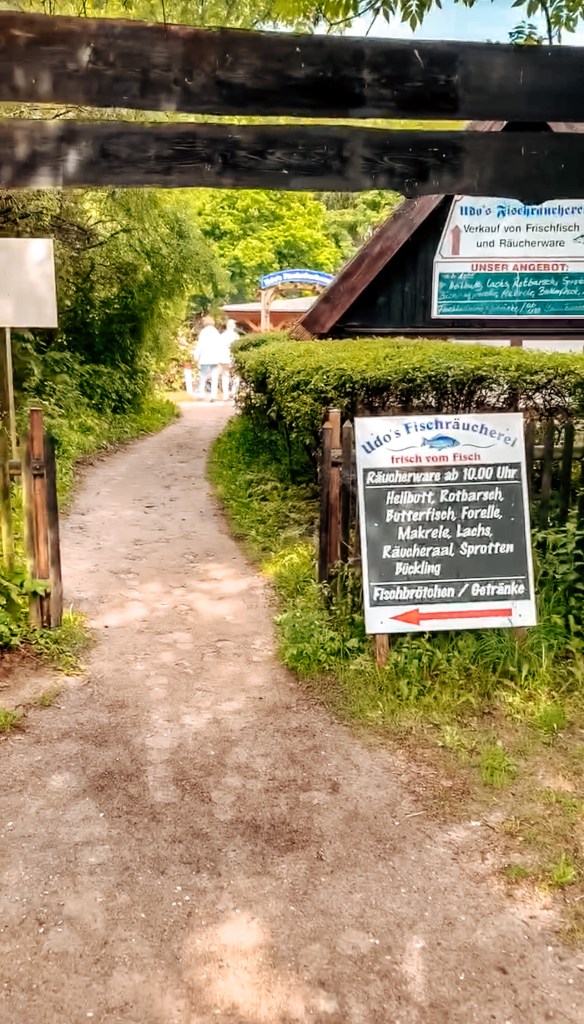
For centuries, the economy of Koserow had been based on fishing and agriculture. It’s growth as a seaside resort was slow due to its poor communications, but it took off once the railway reached the island of Usedom in the early 1900s and a network of metal roads was built. Even a pier was built. The pier, however, was destroyed during an icy winter during World War II. It was rebuilt in 1993 and again in 2019 after engineers discovered some major structural issues. In 2021, the new pier was officially opened back up and now includes a bell tower.
So, why not take a little adventure to the German coast this summer? Especially to a little seaside resort named Koserow. Happy travels!
 One German American Girl
Leave a comment